August 24, 2026
Knee pain is one of the most common complaints among adults, and for good reason. The knee is a complex joint that bears the brunt of nearly every movement we make, from walking and climbing stairs to standing up from a chair. When pain lingers rather than resolving on its own, it's usually a sign that something structural, postural, or mechanical needs attention. Understanding what's actually driving the discomfort is the first step toward finding real relief, rather than simply managing symptoms as they arise. In this post, we'll break down the most common causes of persistent knee pain, why early action matters, and what effective knee pain treatment typically looks like.
Understanding How the Knee Joint Works
The knee is often described as a hinge joint, but its function is far more intricate than that label suggests. It relies on a coordinated system of bones, cartilage, ligaments, and muscles to absorb shock, stabilize the leg, and allow for smooth bending and straightening. When any one of these components is compromised, whether through injury, overuse, or gradual wear, the entire joint can become less efficient. This inefficiency often shows up as pain, stiffness, or a feeling of instability during daily activities. Because so many structures work together in this joint, pinpointing the exact source of discomfort typically requires a professional evaluation rather than guesswork.
Recognizing Overuse and Repetitive Strain Injuries
One of the most frequent causes of ongoing knee discomfort is repetitive strain from overuse. Runners, athletes, and people whose jobs involve frequent kneeling, squatting, or climbing are especially prone to this type of injury. Over time, repetitive motion can irritate the tendons and soft tissue surrounding the kneecap, leading to a dull ache that intensifies with activity. Unlike an acute injury with a clear onset, overuse injuries tend to develop gradually, which means many people delay seeking knee pain treatment until the discomfort becomes difficult to ignore. Addressing these issues early can prevent the underlying irritation from progressing into a more serious, chronic condition.
Identifying Ligament and Cartilage Damage
Ligament tears and cartilage damage are among the more serious contributors to persistent knee pain, and they often result from sudden twisting movements, direct impact, or accumulated stress over months or years. The meniscus, a cushion of cartilage that sits between the thighbone and shinbone, is particularly vulnerable to tears during pivoting or sudden changes in direction. Ligament injuries, such as those affecting the ACL or MCL, can cause the knee to feel unstable or give way unexpectedly. Because these injuries affect the knee's structural integrity, they rarely resolve without appropriate intervention. Seeking knee pain treatment promptly after this type of injury can make a meaningful difference in how well the joint heals and functions long-term.
Examining the Role of Arthritis and Joint Degeneration
For many people, especially as they age, persistent knee pain stems from the gradual breakdown of cartilage within the joint. This degeneration reduces the cushioning between bones, leading to friction, inflammation, and stiffness that tends to worsen with activity and improve with rest, at least initially. Osteoarthritis is the most common form of this wear-related pain, though inflammatory conditions can also play a role. Unlike an injury with a single cause, degenerative joint pain often develops from a combination of genetics, past injuries, body weight, and years of cumulative stress on the joint. Because this type of pain tends to progress if left unaddressed, consistent knee pain treatment focused on improving joint function and reducing inflammation is often essential to preserving mobility.
Recognizing How Posture and Alignment Contribute to Knee Pain
It's easy to assume that knee pain originates entirely within the knee itself, but the joint doesn't function in isolation. Posture, hip stability, and foot positioning all influence how weight is distributed through the leg with every step. When these areas are out of balance, the knee can absorb uneven pressure over time, leading to irritation and discomfort that may not have an obvious injury behind it. Many people are surprised to discover that their knee pain actually originates from misalignment elsewhere in the body, such as the hips or feet. This connection is one of the most overlooked contributors to chronic knee discomfort, and it's a major reason why effective knee pain treatment often looks beyond the joint itself to address the body as a whole.
Understanding Why Early Knee Pain Treatment Matters
When knee pain first develops, it's often mild or intermittent, which makes it tempting to ignore or simply work around. However, untreated knee pain frequently progresses over time, particularly when the underlying cause involves inflammation, misalignment, or gradual joint degeneration. Early knee pain treatment allows for better management of inflammation, improved movement patterns, and reduced strain on the structures surrounding the joint. It can also help prevent compensatory issues from developing elsewhere in the body, such as the hips or lower back, as people unconsciously alter their gait to avoid discomfort. Addressing knee pain proactively, rather than waiting for it to worsen, generally leads to a smoother and more complete recovery.
Recognizing When Professional Evaluation Is Necessary
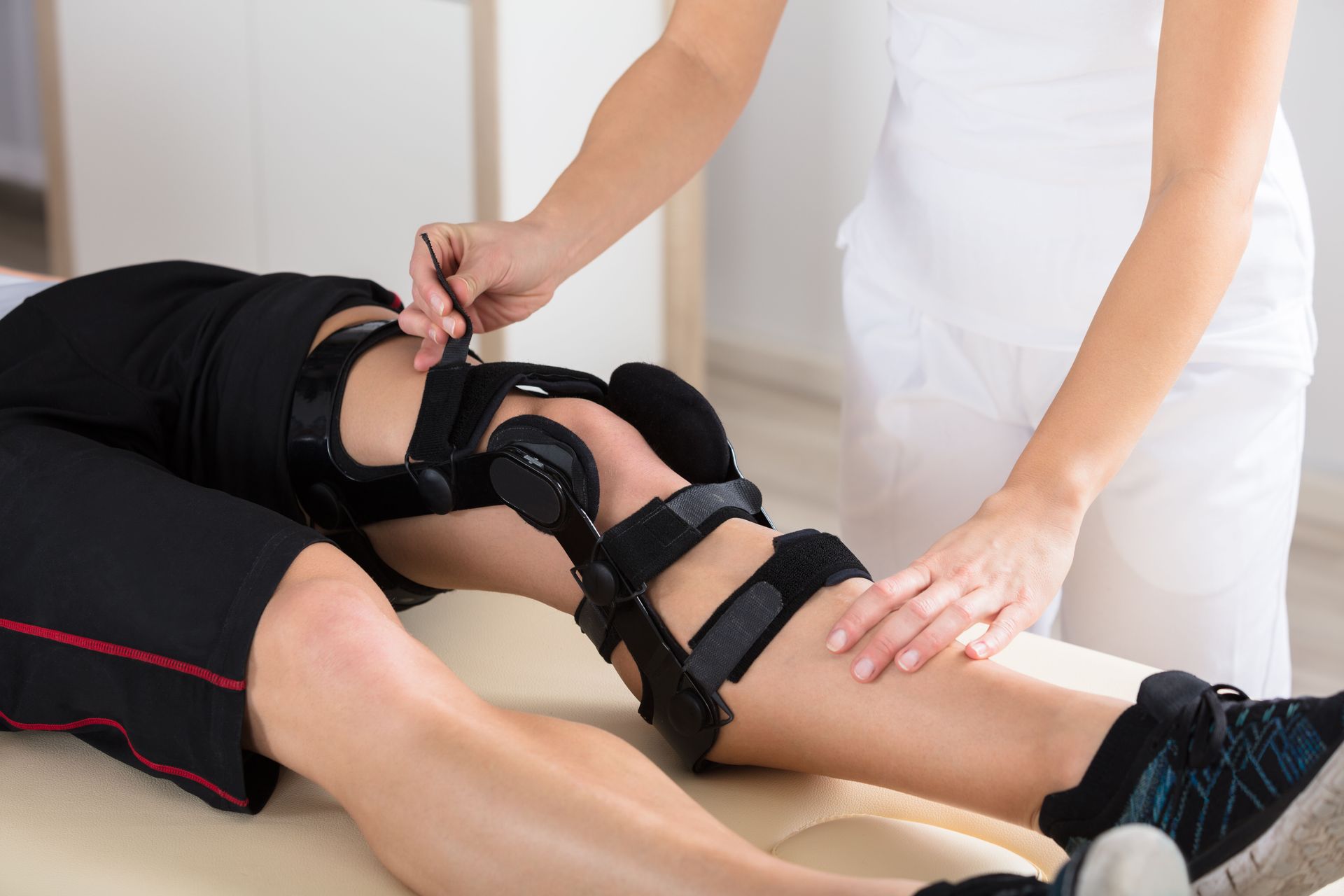
Not every ache or twinge requires immediate medical attention, but persistent knee pain, meaning discomfort that lasts more than a few weeks or interferes with daily activities, is a clear signal that professional evaluation is warranted. Symptoms such as swelling, instability, reduced range of motion, or pain that worsens with activity all point toward an underlying issue that needs to be properly diagnosed. Attempting to self-diagnose or relying solely on rest and over-the-counter remedies can sometimes allow a treatable condition to progress unnecessarily. A qualified provider can assess how the knee is functioning, identify contributing factors that may not be obvious, and recommend a knee pain treatment plan tailored to the specific cause of the discomfort. Working with experienced professionals ensures that the root of the problem is addressed rather than just the symptoms.
Growing Demand for Musculoskeletal and Chiropractic Care
The demand for professionals who treat musculoskeletal conditions like knee pain continues to grow as more people seek non-surgical paths to relief. According to IBISWorld, the chiropractic industry includes over 66,000 businesses operating across the United States in 2026, reflecting how many people rely on this type of care for joint and mobility issues. This widespread availability makes it easier than ever to find qualified support for persistent knee pain, but it also underscores the importance of choosing a provider with the right expertise. Not all knee pain treatment approaches are the same, and working with a team that takes a thorough, individualized approach tends to produce better long-term outcomes than generic or one-size-fits-all care.
Choosing the Right Approach for Lasting Relief
Because persistent knee pain can stem from so many different causes, effective knee pain treatment rarely follows a single formula. A thorough evaluation that considers joint mechanics, posture, alignment, and lifestyle factors is essential to building a plan that actually addresses the source of the discomfort. Non-surgical options, including personalized adjustment techniques and targeted therapies, can often restore function and reduce pain without the risks and recovery time associated with surgery. The right treatment plan should evolve as the joint improves, focusing not just on symptom relief but on long-term joint health and mobility. This is why partnering with an experienced, patient-centered team makes such a meaningful difference in outcomes.
Persistent knee pain is rarely something that resolves on its own, and understanding its root cause is essential to finding lasting relief. Whether the discomfort stems from overuse, ligament damage, arthritis, poor alignment, or lifestyle factors, an accurate diagnosis and a personalized plan make all the difference in recovery. Working with experienced professionals who take the time to understand your specific condition, rather than applying generic solutions, is the most reliable path toward improved mobility and comfort.
At Advanced Physical Medicine, we specialize in identifying the true source of knee discomfort and building personalized, non-surgical treatment plans designed for lasting results. If persistent knee pain is affecting your daily life, contact us today to schedule a consultation and take the first step toward getting back to the activities you love.